
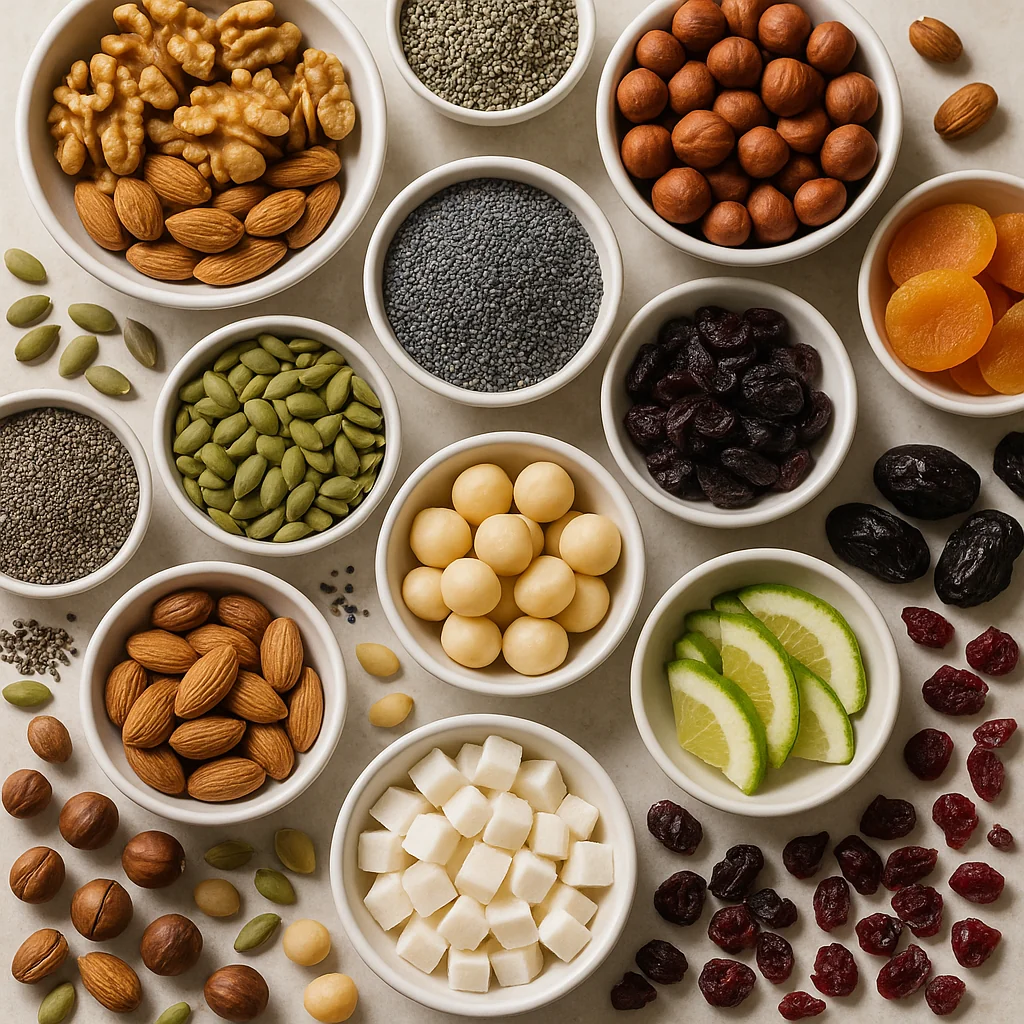
Nuts, seeds, and dried fruits may be small, but they’re nutritional powerhouses that fit in the palm of your hand—yet deliver a significant share of your daily protein, fiber, healthy fats, and minerals. In this article, we’ll explore 16 products—from chia, hemp, poppy, and pumpkin seeds to almonds, hazelnuts, macadamias, and dried fruits—explaining the unique benefits of each and how to make the most of them in your kitchen.
Why make them part of your daily routine?
Nuts and seeds are some of the most concentrated foods in the plant kingdom: they’re packed with fats, protein, and fiber, but contain very little water. That’s what makes them so filling—and why moderation is key. International nutrition guidelines typically recommend a handful, or about 30 grams, of nuts and seeds per day: this amount provides a healthy fat profile without excess calories.
Here’s what these foods offer your body:
- Essential fatty acids. Walnuts and hemp seeds are the best plant-based sources of omega-3 (ALA); almonds, hazelnuts, and macadamias are rich in monounsaturated fats.
- Plant-based protein. Pumpkin seeds, peanuts, and almonds contain 20–30 g of protein per 100 g—helping you stay full and supporting muscle health.
- Fiber. Chia and hemp seeds swell in water, supporting digestion and helping to maintain steady blood sugar levels.
- Minerals and vitamins. Magnesium (pumpkin seeds, almonds, walnuts), potassium (apricots, prunes), iron and zinc (hemp seeds, poppy seeds), vitamin E (almonds, hazelnuts), and calcium (almonds, poppy seeds).
- Polyphenols. The dark skins and peels of nuts and dried fruits are rich in antioxidants that support heart health.
One important note: The recommended daily amount is small, as 100 grams of nuts contains 550–700 kcal. The simplest rule is not to eat straight from the package, but to measure out a handful into a bowl or add to your meal—this way, you keep your portion in check.
Seeds: tiny but nutrient-dense
Seeds are the most versatile group in the kitchen: they thicken, bind, add crunch, and can even replace eggs in baking. They’re easy to portion out and keep well when stored in a cool place.
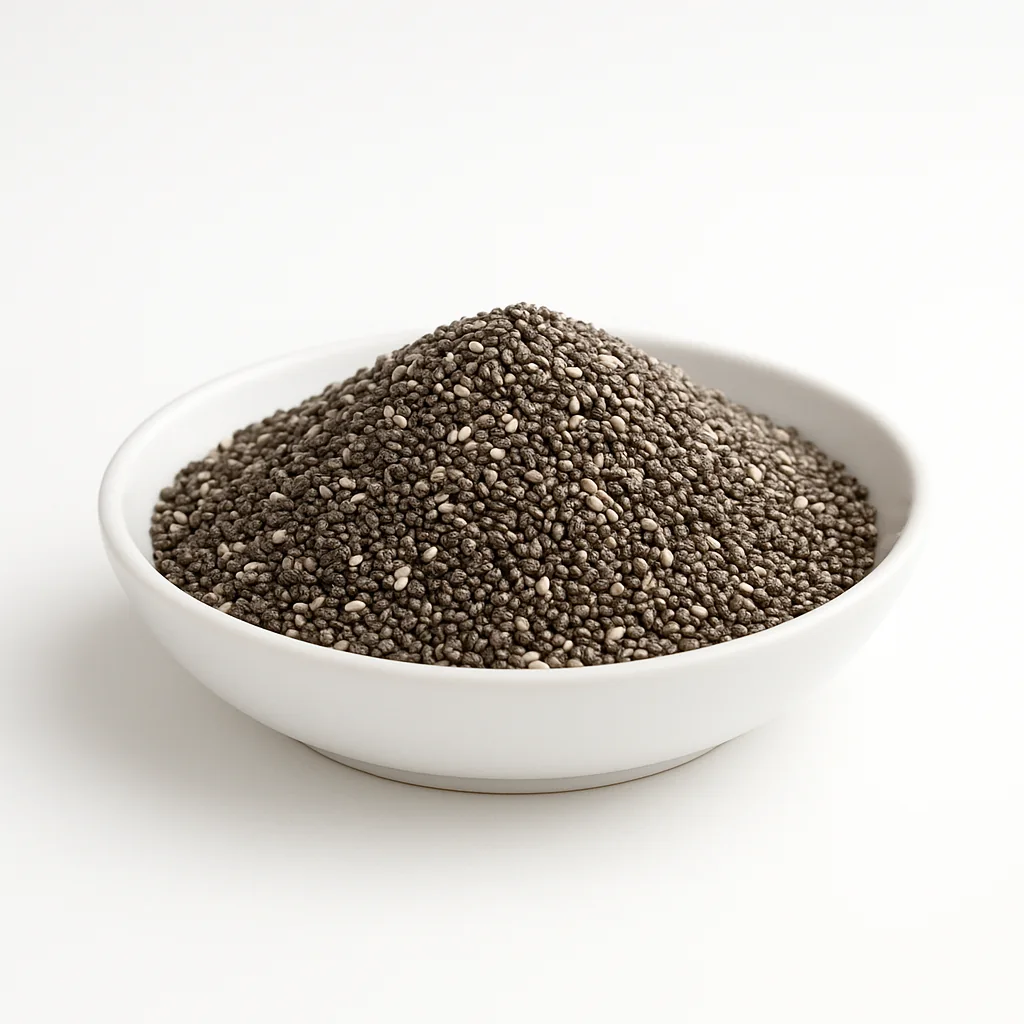
Chia seeds — a natural binder that keeps dough together
Chia seeds (Salvia hispanica) come from Central America, where they were a staple food for the Aztecs and Mayans. These black-and-white seeds have a nearly neutral flavor and can absorb up to ten times their weight in water, forming a gel-like coating. This makes them a reliable helper in gluten-free baking: the gel binds dough and locks in moisture, so bread doesn’t crumble and stays soft longer.
Nutritional value: about 34 g fiber and 17 g protein per 100 g, plus omega-3 fatty acids, calcium, and magnesium.
How to use:
- Add 1–2 tbsp to yogurt, porridge, or smoothies—let soak for 10–15 minutes for a creamy texture;
- As an egg substitute: 1 tbsp seeds + 3 tbsp water replaces about one egg;
- To thicken sauces and marinades without added starch;
- For extra fiber in jams and homemade smoothie bowls.
Wholesale purchase: Chia seeds
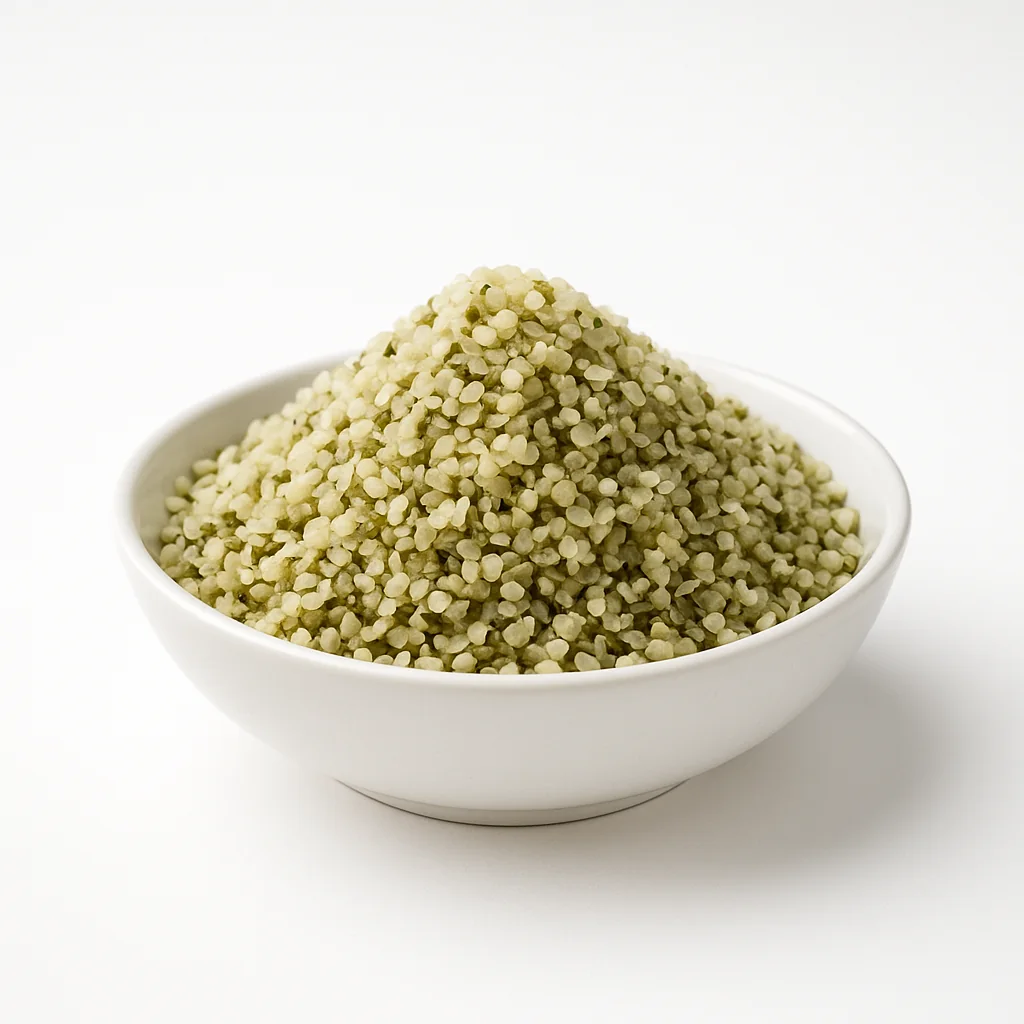
Hemp seeds — a mild, creamy source of protein
Hemp seeds are hulled, meaning the outer shell is removed, leaving a soft, nutty-tasting seed with a creamy texture. Unlike many other seeds, they can be eaten raw or cooked without turning bitter. Hemp seeds are one of the best sources of complete plant protein and offer a balanced ratio of omega-3 and omega-6 fatty acids.
Nutritional value: about 30 g protein and 4 g fiber per 100 g, plus magnesium, iron, zinc, and B vitamins.
How to use:
- Sprinkle 1–2 tbsp over salads and bowls for a mild, nutty note;
- Stir into breakfast porridge, yogurt, or smoothies for a nutritional boost;
- Add to bread, rolls, and cookie dough, including gluten-free flour blends;
- Blend into sauces or use ground to thicken dressings.
Wholesale purchase: Hemp seeds
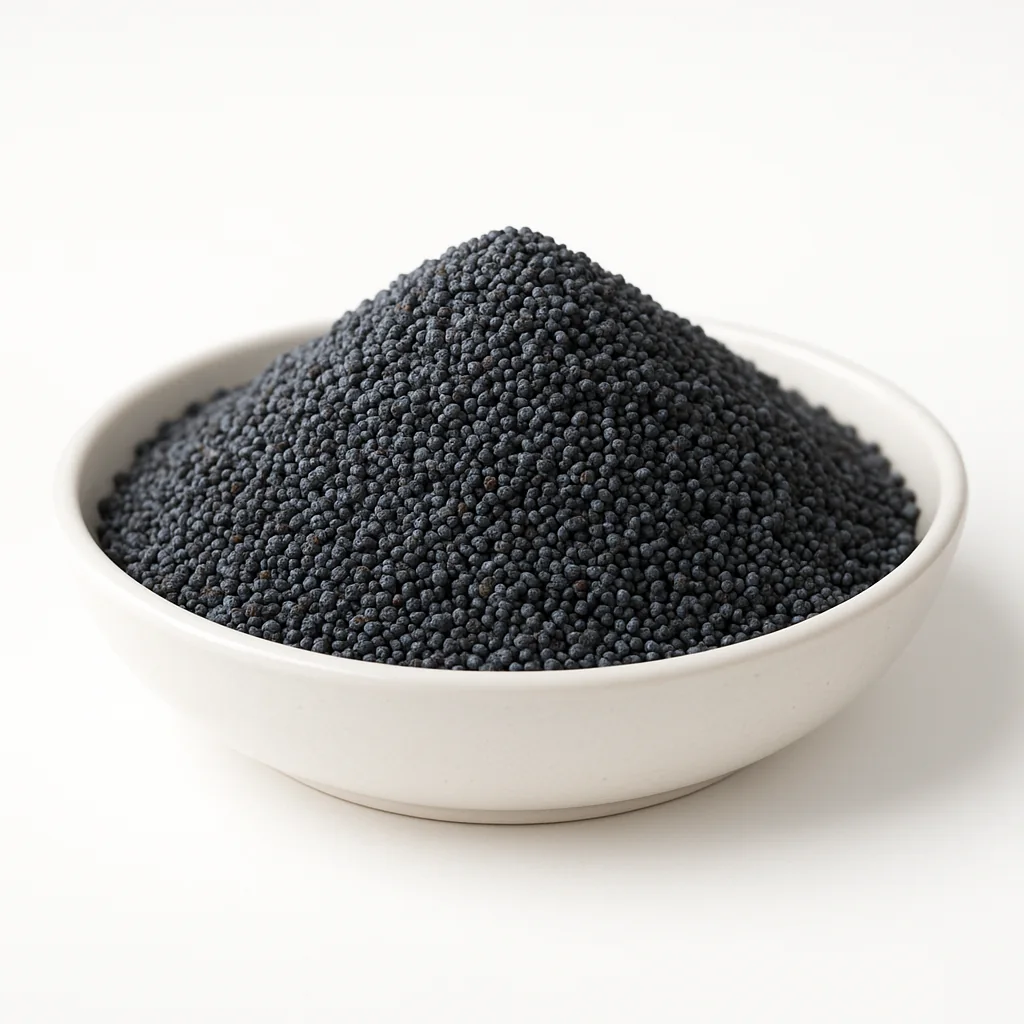
Blue poppy seeds — a bakery classic
Blue poppy seeds are tiny, deep blue seeds with a rich, nutty flavor and a satisfying crunch. They’ve been used for centuries in baking and in Middle Eastern cuisine—for example, in curries and spice blends, where they add body and a subtle flavor. They don’t burn easily during baking and stay fresh for a long time.
Nutritional value: calcium, magnesium, iron, and fiber, along with a healthy fat profile—perfect for adding nutrient density to dishes without overpowering flavors.
How to use:
- On top of rolls, pastries, pies, and cookies—either in the filling or sprinkled on top;
- In salads and vegetable dishes for extra crunch and a nutty taste;
- Ground into sauces and marinades as a thickener;
- As a component in spice blends for Middle Eastern dishes.
Wholesale purchase: Blue poppy seeds
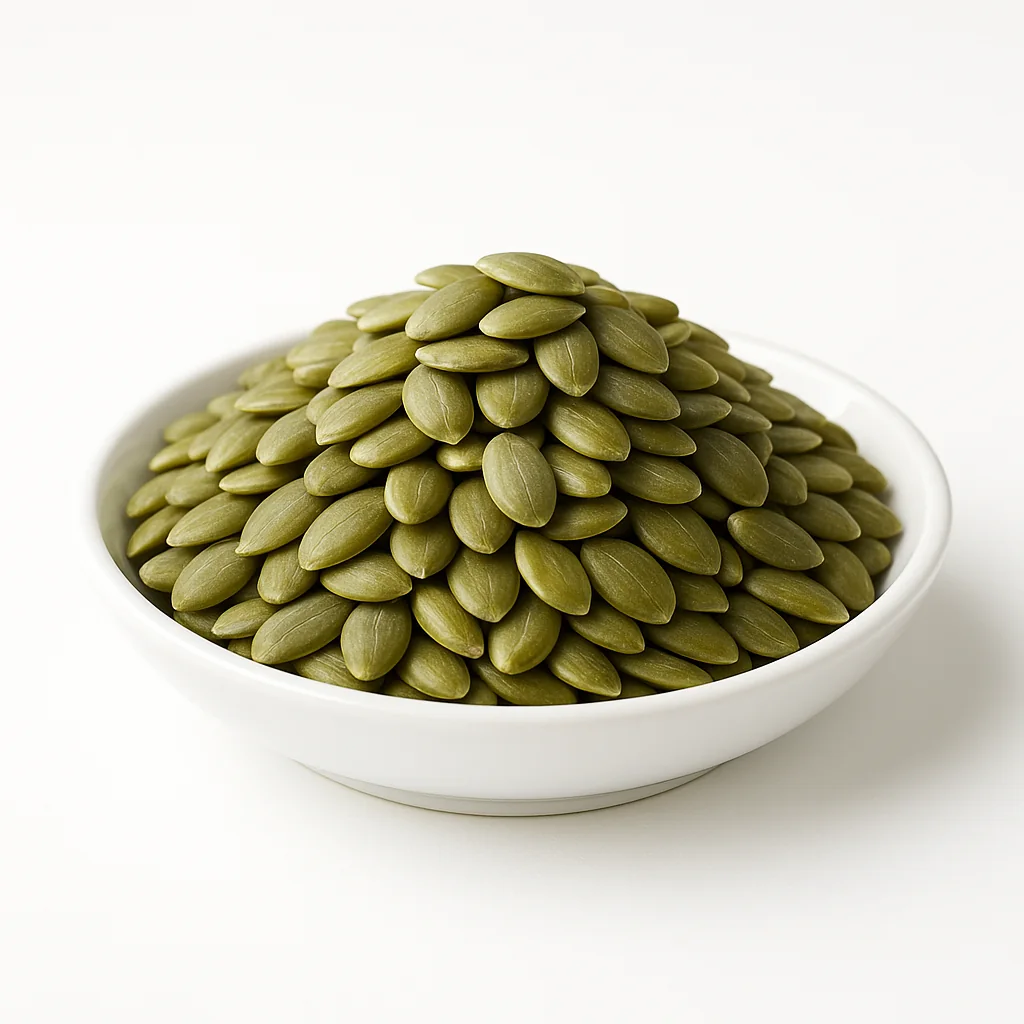
Pumpkin seed kernels — magnesium masters
Green pumpkin seed kernels, or pepitas, are among the most nutrient-dense seeds: they’re packed with magnesium, zinc, and iron. Magnesium supports muscle function and energy metabolism, while zinc is vital for immune health and skin. Thanks to their high protein content and mild flavor, they’re a great addition to breakfast porridge or salads.
Nutritional value: about 30 g protein and 6 g fiber per 100 g, plus omega-6 fatty acids, vitamin E, and antioxidants.
How to use:
- Sprinkle over breakfast porridge, yogurt, or smoothies;
- Add to salads and bowls for a crunchy boost;
- Blend into pesto and sauces—ground, they create a creamy texture;
- Use in baked goods and energy bars, where they help bind and add nutrients.
Wholesale purchase: Pumpkin seed kernels
Nuts: A Source of Energy and Healthy Fats
Nuts are naturally well-protected: their dense shells and skins shield the fats from going rancid and help preserve nutrients. That’s why it’s best to choose minimally processed products — and always store them in airtight containers.
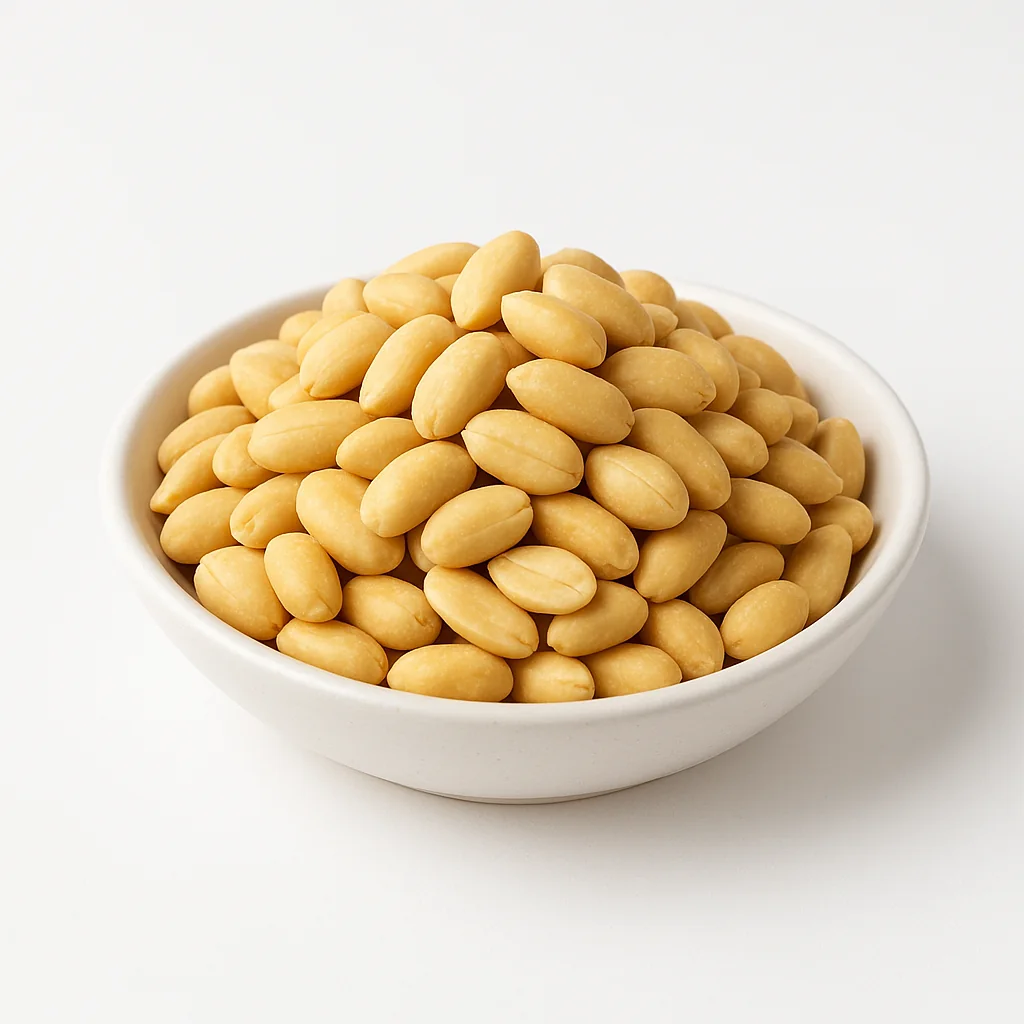
Blanched and Roasted Peanut Kernels — An Everyday Classic
Blanched peanut kernels are cleaned of their shells and red skins, then lightly roasted for a mild, even flavor. Botanically, the peanut isn’t a true nut but a legume seed — which is why it’s higher in protein than most nuts, making it a favorite among bakers and plant-based cooks alike. Roasting brings out a sweet, nutty note and gives the kernels a satisfying crunch.
Nutritional value: about 25 g protein and 8 g fiber per 100 g, plus niacin, vitamin E, and magnesium.
How to use:
- for making peanut butter and spreads;
- in baked goods, cakes, cookies, and healthy snacks;
- in salads and Asian-inspired dishes (like kung pao);
- to thicken and enrich sauces and marinades.
Wholesale purchase: Blanched roasted peanut kernels
Coconut Cubes — Tropical Sweetness and Fiber
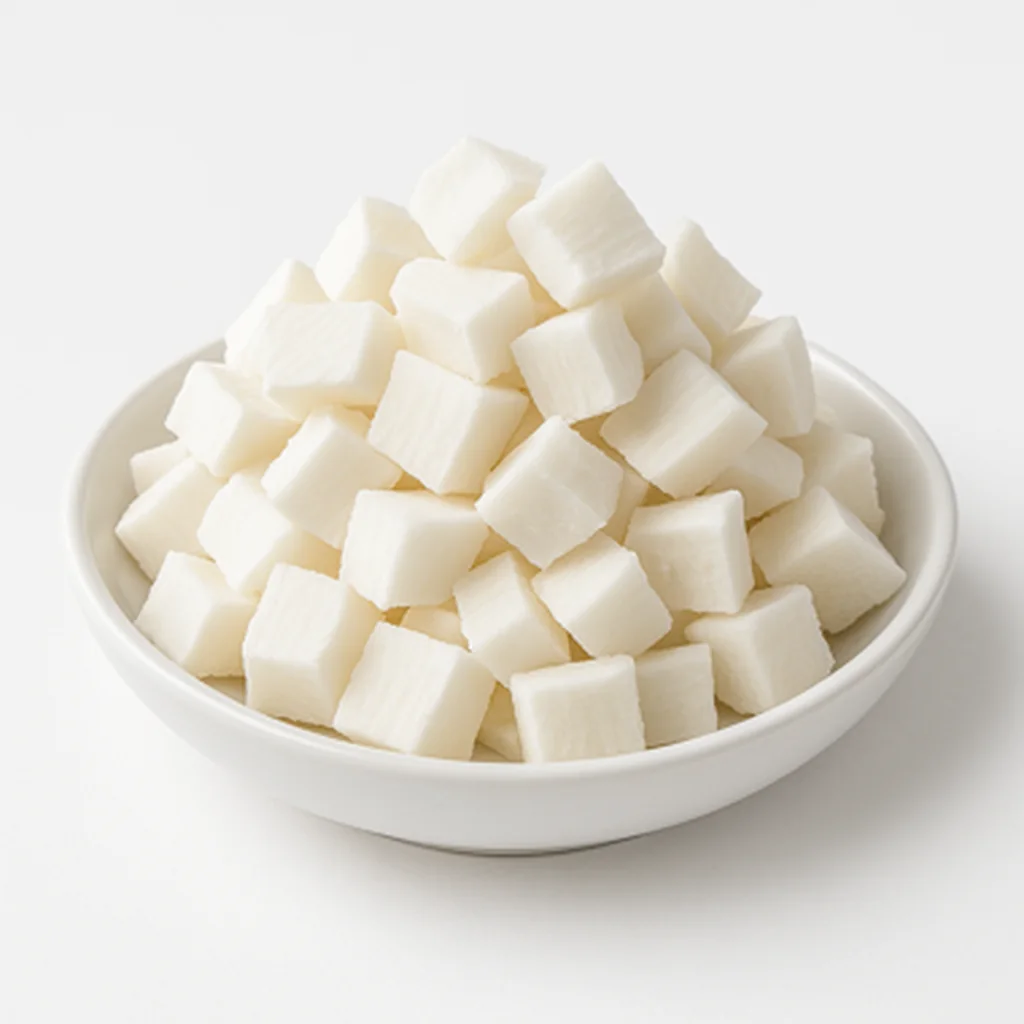
Dried coconut cubes are white, crunchy, and naturally sweet. Botanically, coconut is a drupe, not a nut, but in the kitchen it behaves just like one: perfect for both sweet and savory dishes. Coconut is rich in fiber and medium-chain fatty acids, which provide quick energy. That’s why these cubes are ideal for breakfast bowls, muesli, cookies, and Asian-style sauces.
Nutritional value: about 65 g fat and 16 g fiber per 100 g; the flavor is naturally sweet, so there’s no need for added sugar.
How to use:
- in muesli, porridge, and yogurt — for texture and a tropical touch;
- in cookies, chocolate, and energy bars;
- in curries and sauces, especially Thai and Indian cuisine;
- in dried fruit mixes and snack blends.
Wholesale purchase: Coconut cubes
Roasted Salted Pistachios (USA) — A Slow Snack to Savor
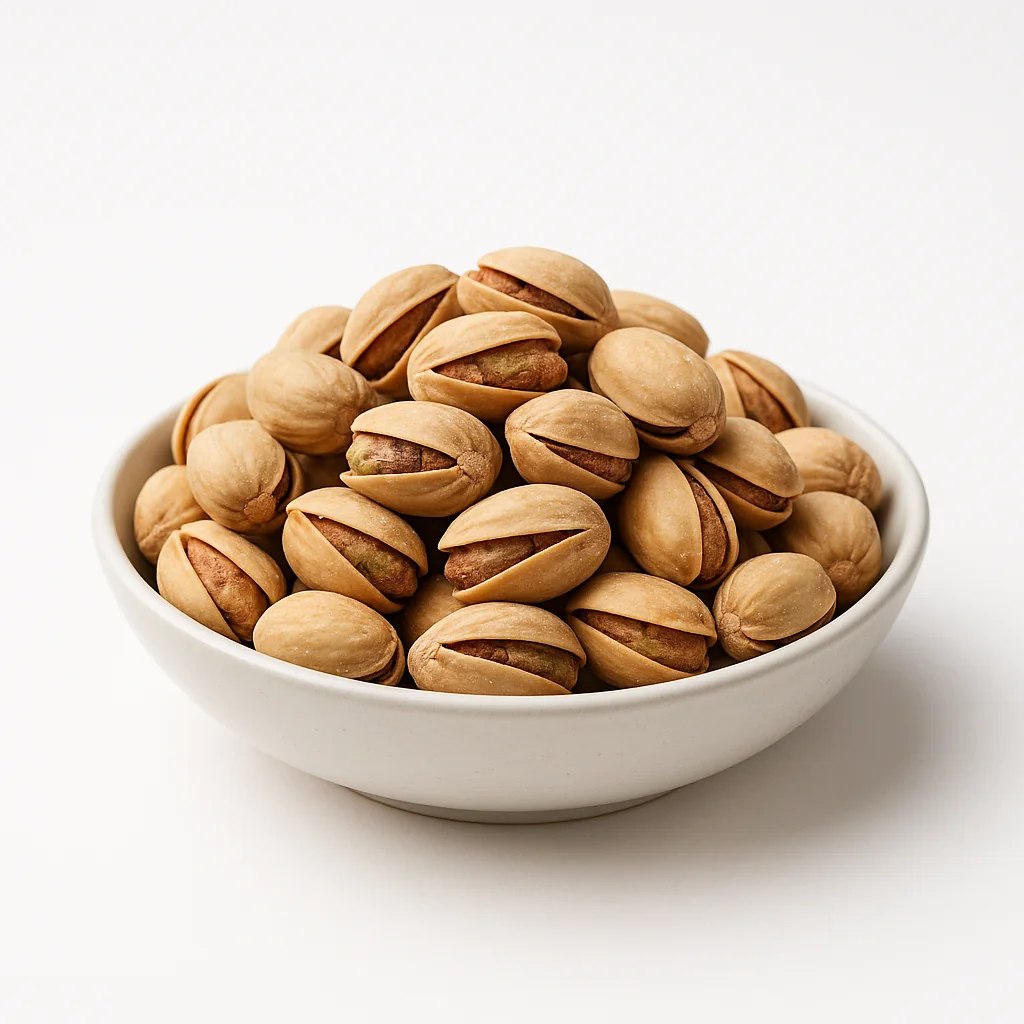
In-shell pistachios are among the lowest-calorie nuts, making them a great choice for mindful snacking. You have to shell them yourself — which naturally slows down eating and turns pistachios into the perfect “slow” snack. Roasting and a touch of salt enhance the flavor, but remember to factor in the salt when considering your daily intake.
Nutritional value: about 20 g protein and 10 g fiber per 100 g, plus vitamin B6, potassium, and lutein to support eye health.
How to use:
- as a snack straight from the bowl, easy to portion control;
- chopped in salads, pasta, and rice dishes;
- in desserts and ice cream, where the salty note balances sweetness;
- on cheese and charcuterie boards.
Wholesale purchase: Roasted salted pistachios USA
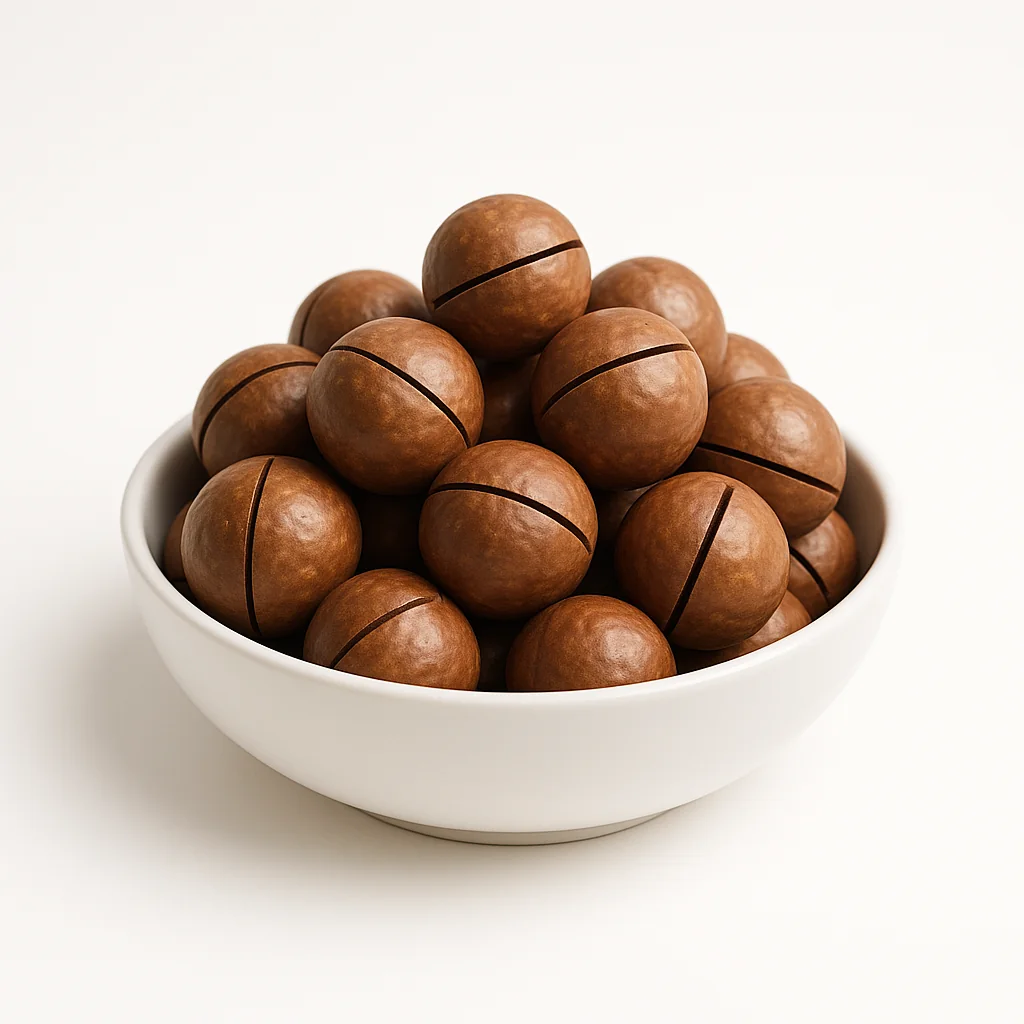
Macadamia Nuts in Shell — The Creamiest Nut
Macadamias are among the richest nuts in fat: nearly three-quarters of their weight is fat, mostly monounsaturated. That’s what gives them their famously creamy flavor and buttery texture — macadamias are often considered the most luxurious nut of all. Native to Australia and Hawaii, they require a tropical climate to grow, which also makes them one of the priciest nuts. The shell protects the fats well, so the nuts stay fresh for a long time.
Nutritional value: about 76 g fat and 8 g protein per 100 g, plus magnesium, manganese, and vitamin B1.
How to use:
- as a snack or paired with cheese;
- chopped in salads and desserts, where their buttery texture shines;
- for homemade nut butters and plant-based “cheese”;
- with fish dishes and roasted vegetables.
Wholesale purchase: Macadamia nuts in shell
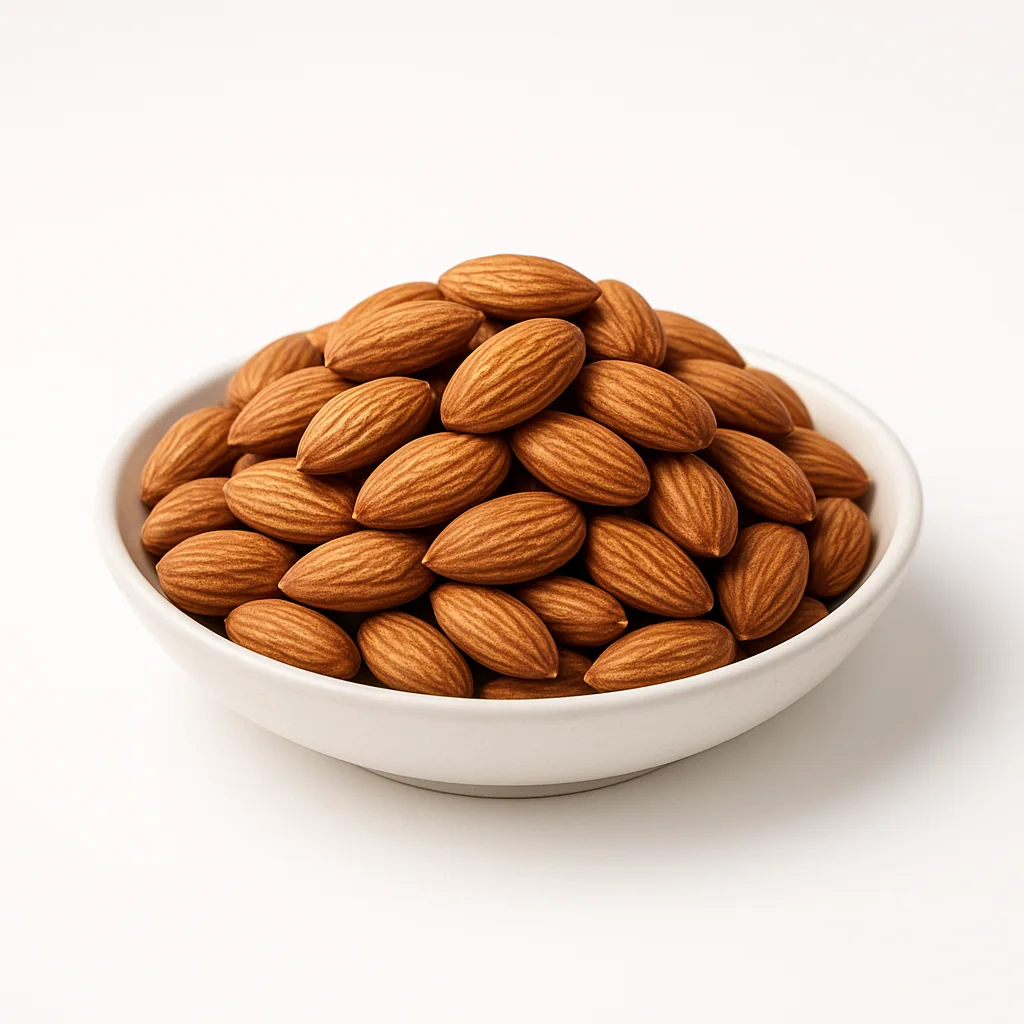
California Almonds — A Source of Vitamin E and Protein
California almonds are the world’s most famous nut: the almond tree blooms early and needs plenty of sun, making California the largest producer globally. Almonds are packed with vitamin E, magnesium, and protein, and their thin shell offers good protection. Almonds are also one of the few nuts widely sold as flour — a testament to their versatility.
Nutritional value: about 21 g protein and 12 g fiber per 100 g, plus vitamin E, magnesium, calcium, and riboflavin.
How to use:
- as a snack — 20–30 g keeps you full for hours;
- for making almond flour and almond milk;
- in baked goods, marzipan, and almond cakes;
- in salads and with roasted vegetables, especially in Middle Eastern cuisine.
Wholesale purchase: California almonds
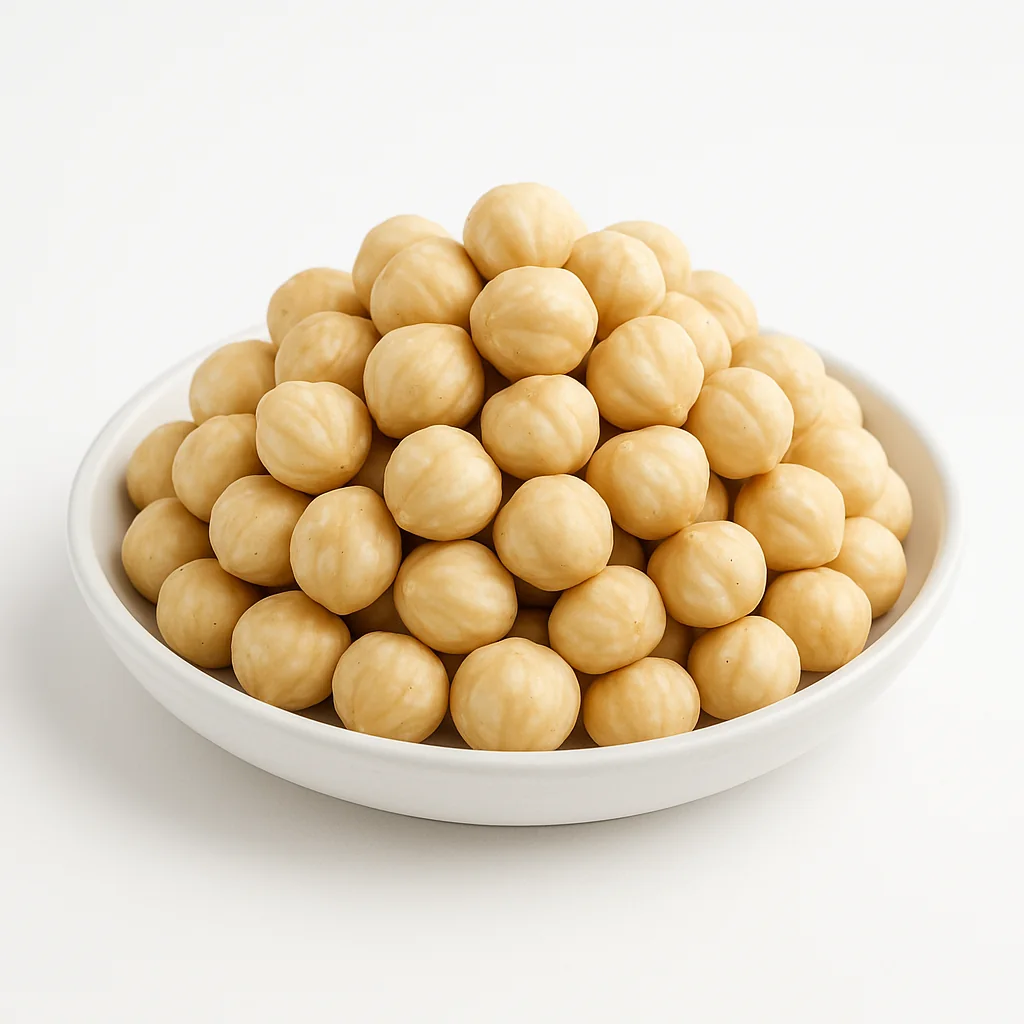
Hazelnut Kernels — Classic and Creamy
The hazelnut (also known as the filbert) grows locally in Estonia and has long been a staple in traditional cuisine. Shelled kernels are creamy in color, mildly sweet, and have a thin skin that sometimes comes off during baking. Hazelnuts are rich in vitamin E and monounsaturated fats, adding a signature nutty depth to cookies, chocolate, and desserts.
Nutritional value: about 15 g protein and 10 g fiber per 100 g, plus vitamin E, manganese, magnesium, and copper.
How to use:
- in chocolate, creams, and nut pralines (gianduja);
- in cookies, nut cakes, and holiday stollen;
- roasted in salads and vegetable dishes;
- ground into sauces and marinades.
Wholesale purchase: Hazelnut kernels
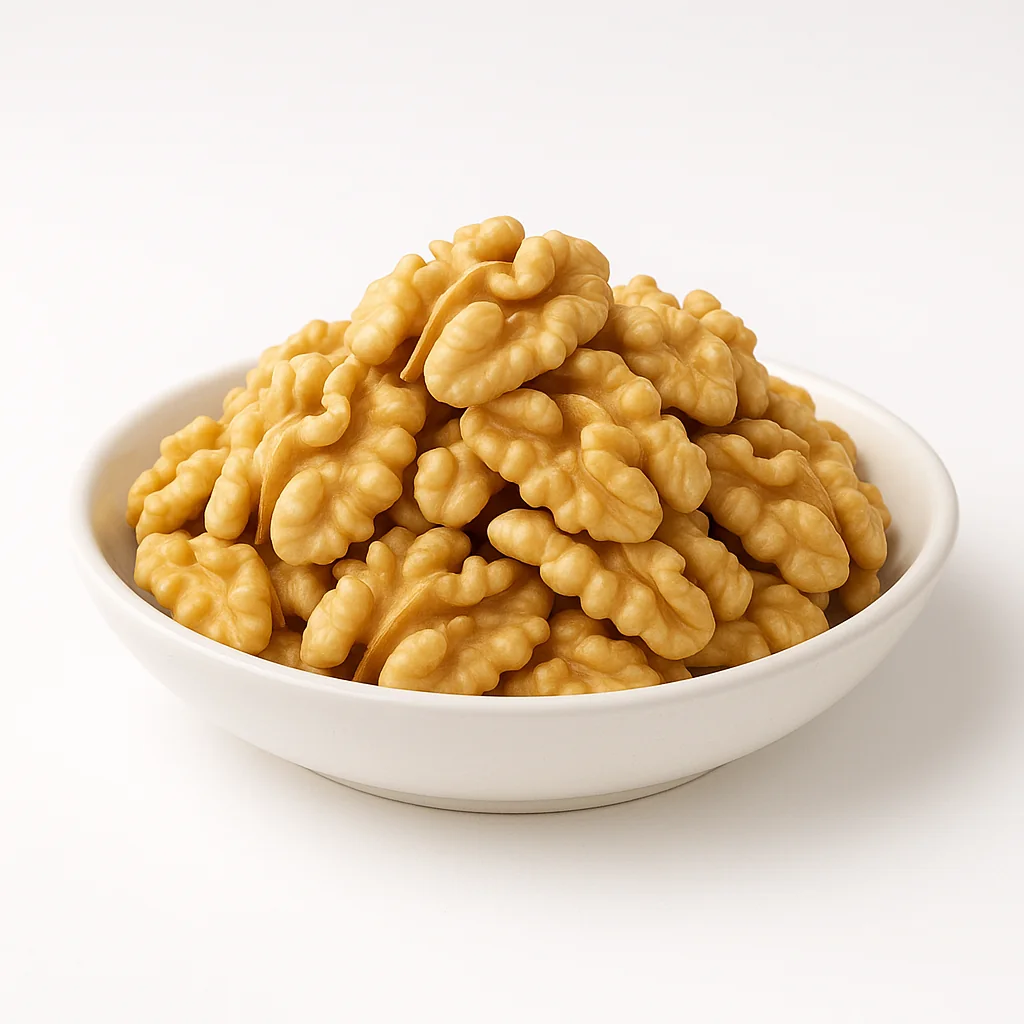
Walnut Kernels, Light Halves (30%) — Omega-3 and Brain Food
Walnuts are the only common nut with a significant amount of plant-based omega-3 fatty acid (ALA) — about 9 g per 100 g. That’s why walnuts are linked to heart and brain health. Dark and light halves differ only in shell color: light halves are milder in flavor and more visually appealing, making them ideal for salads and desserts. The thin walnut skin contains polyphenols, which give a slightly bitter note — this is normal and characteristic.
Nutritional value: about 15 g protein and 7 g fiber per 100 g, plus omega-3, magnesium, copper, and antioxidants.
How to use:
- in salads with cheese and beetroot;
- in nut cakes, brownies, and cookies;
- chopped over porridge, yogurt, and baked goods;
- in sauces (like walnut sauce) and marinades.
Wholesale purchase: Walnut kernels (light halves) 30%
Dried Fruit: Nature’s Own Sweetness
Drying is one of the oldest ways to preserve food: water is removed, leaving behind fiber, minerals, and natural sugars. That’s why dried fruit is sweet, but not overwhelmingly so — making it a smart choice when you want to swap candy for something more nourishing.
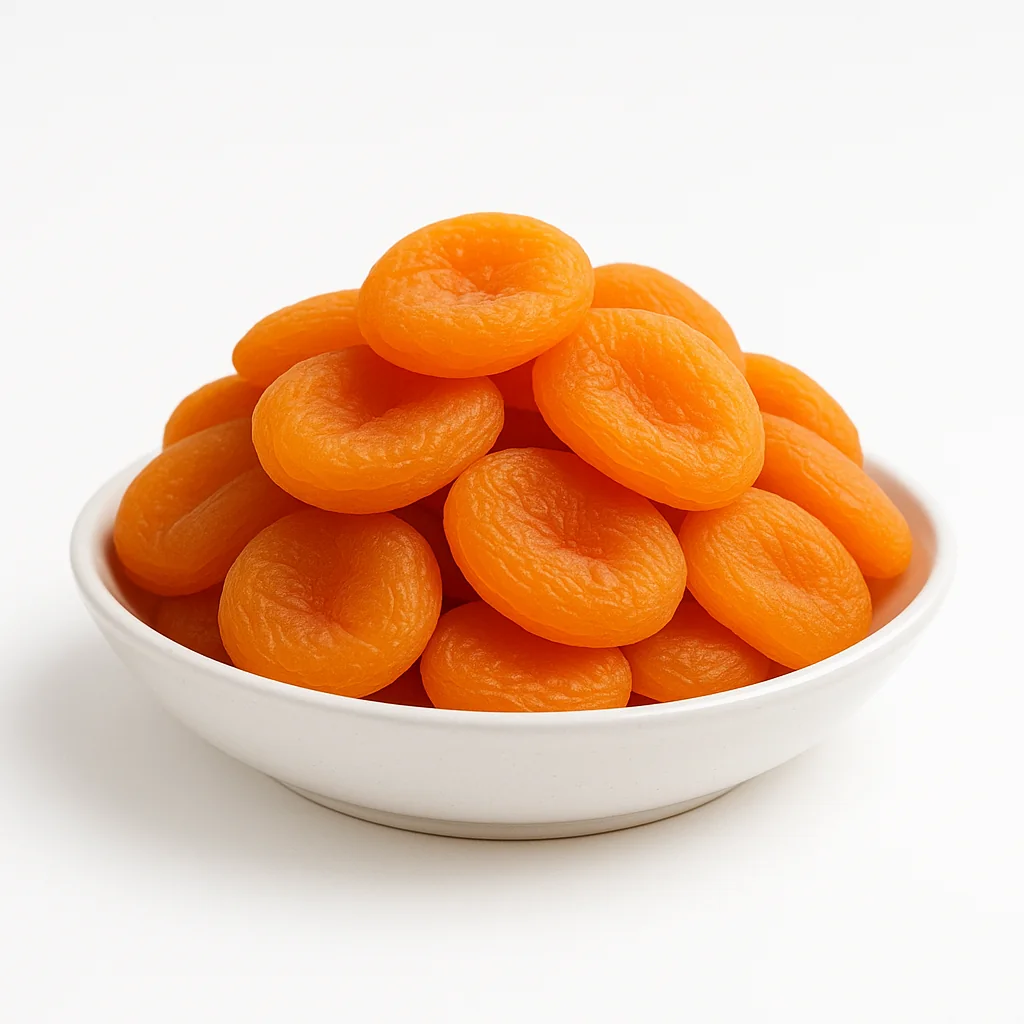
Dried Apricots — A Source of Potassium and Fiber
Dried apricots are soft, with a slightly tangy sweetness and a distinctive orange color. Naturally rich in potassium, which supports healthy blood pressure and muscle function, they also provide fiber and beta-carotene. Dried apricots are perfect for breakfast or dessert, and are one of the best snacks for travel.
Nutritional value: about 8 g fiber and 1100 mg potassium per 100 g; natural sugars provide quick energy.
How to use:
- in breakfast porridges, muesli, and yogurt;
- in cookies, cakes, and Middle Eastern dishes (like rice dishes);
- in energy bars and snack mixes;
- in meat and poultry dishes, where a touch of sweetness balances out spices.
Wholesale purchase: Dried apricots
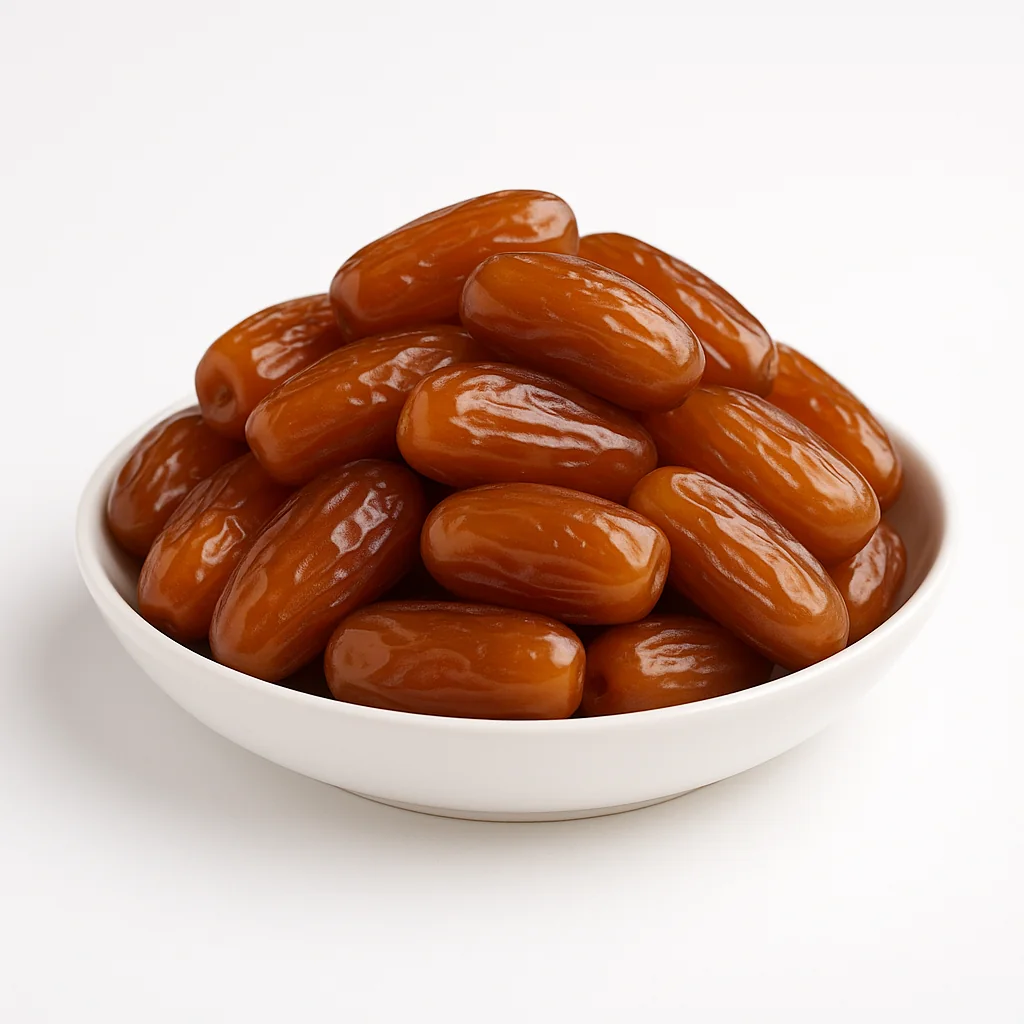
Deglet Nour Dates (Algeria) — A Natural Energy Source
Deglet Nour is Algeria’s most famous date variety, often called the “date of light” for its golden, translucent flesh. Dates are among the sweetest dried fruits, but their sugars are natural and come with fiber and minerals, so they release energy more steadily than refined sugar. Conditioned dates are soft and moist, making them ideal for processing.
Nutritional value: about 7 g fiber and 650 mg potassium per 100 g, plus magnesium, copper, and vitamin B6.
How to use:
- in smoothies and energy bars — a natural alternative to added sugar;
- in baked goods, cakes, and plant-based desserts;
- for making date cream and paste;
- on cheese and nut platters.
Wholesale purchase: Dates, conditioned Algerian Deglet Nour
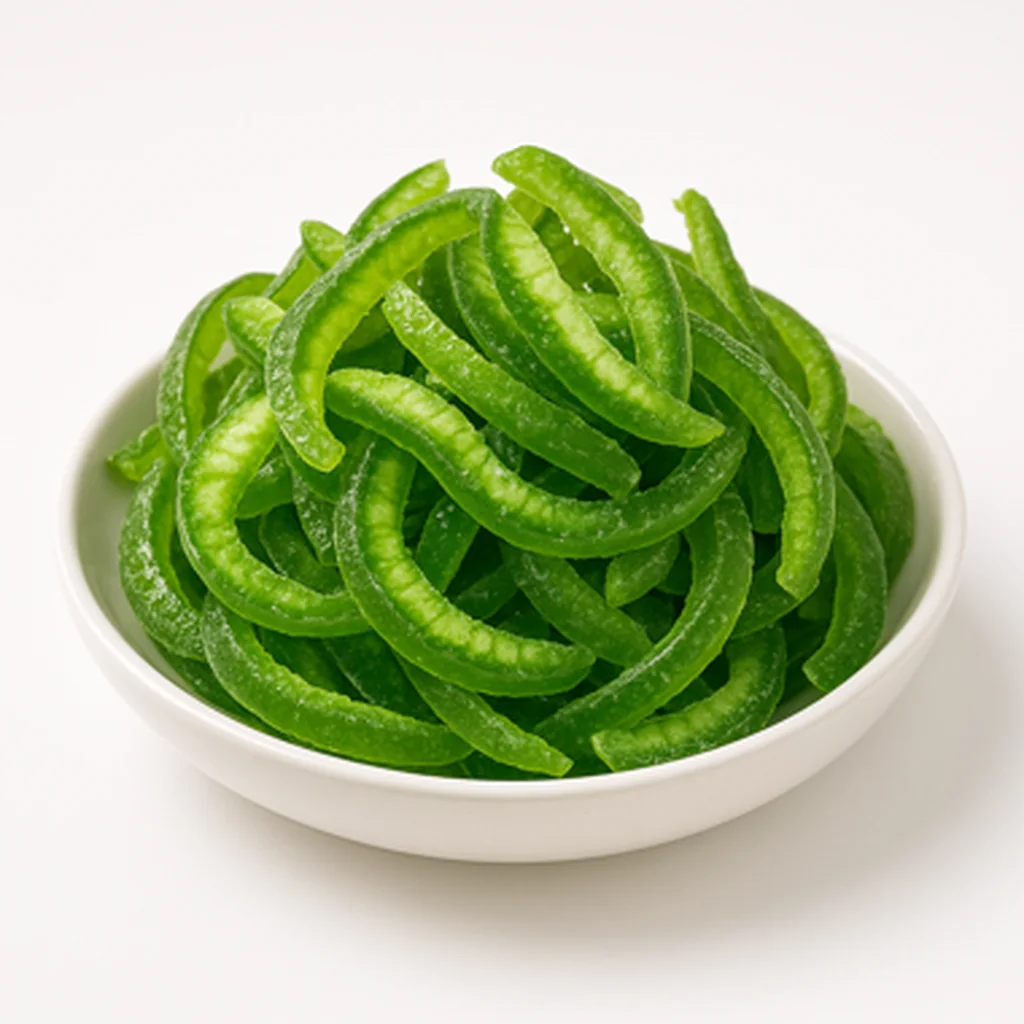
Green Pomelo Slices — A Bittersweet Treat
Pomelo, or Citrus maxima, is the largest of the citrus fruits, with a very thick rind. Dried pomelo slices have a bittersweet flavor, a strong citrus aroma, and look stunning in desserts and drinks. Citrus peels are rich in flavonoids and have traditionally been used to support digestion.
Nutritional value: vitamin C, fiber, and flavonoids; the bittersweet note balances the sweetness, so these are less sugary than other candied fruits.
How to use:
- in cookies, cakes, and chocolate;
- as a garnish for tea and cocktails;
- in desserts and on cheese boards;
- in snack mixes with nuts.
Wholesale purchase: Green pomelo slices
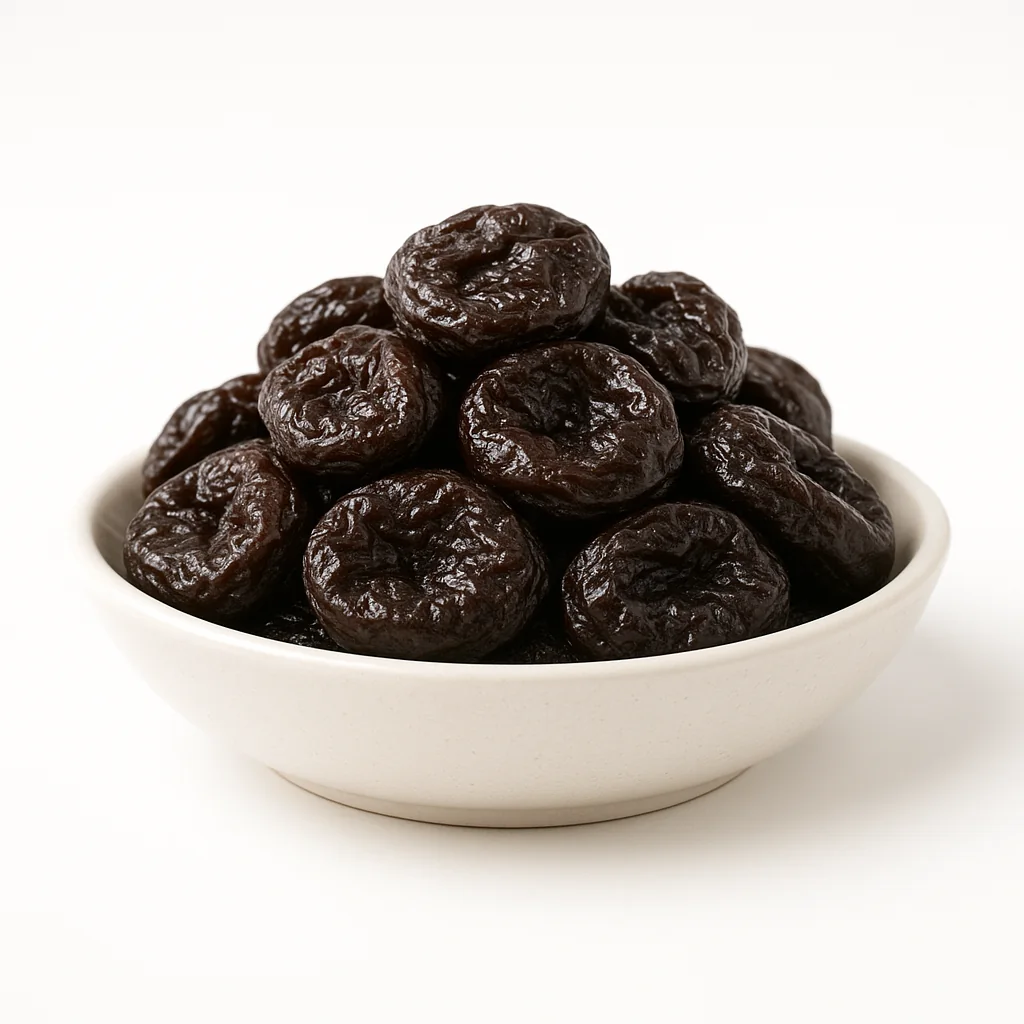
Dried Prunes (pitted, 80/90) — For Digestive Wellness
Dried prunes, or prunelles, are among the best-known foods for supporting digestion: they contain fiber and sorbitol, which help naturally stimulate the digestive system. Prunes are dark, intensely sweet, and have a soft texture. Pitted prunes save time in the kitchen and are great for both breakfast and savory dishes. The 80/90 grade refers to the number of fruits per kilogram — the lower the number, the larger the fruit.
Nutritional value: about 7 g fiber and 730 mg potassium per 100 g, plus vitamin K and antioxidants.
How to use:
- in breakfast porridges and yogurt, especially with nuts;
- in meat dishes and stews (like beef with prunes);
- in cookies, cakes, and healthy treats;
- in homemade energy bars.
Wholesale purchase: Dried pitted prunes 80/90
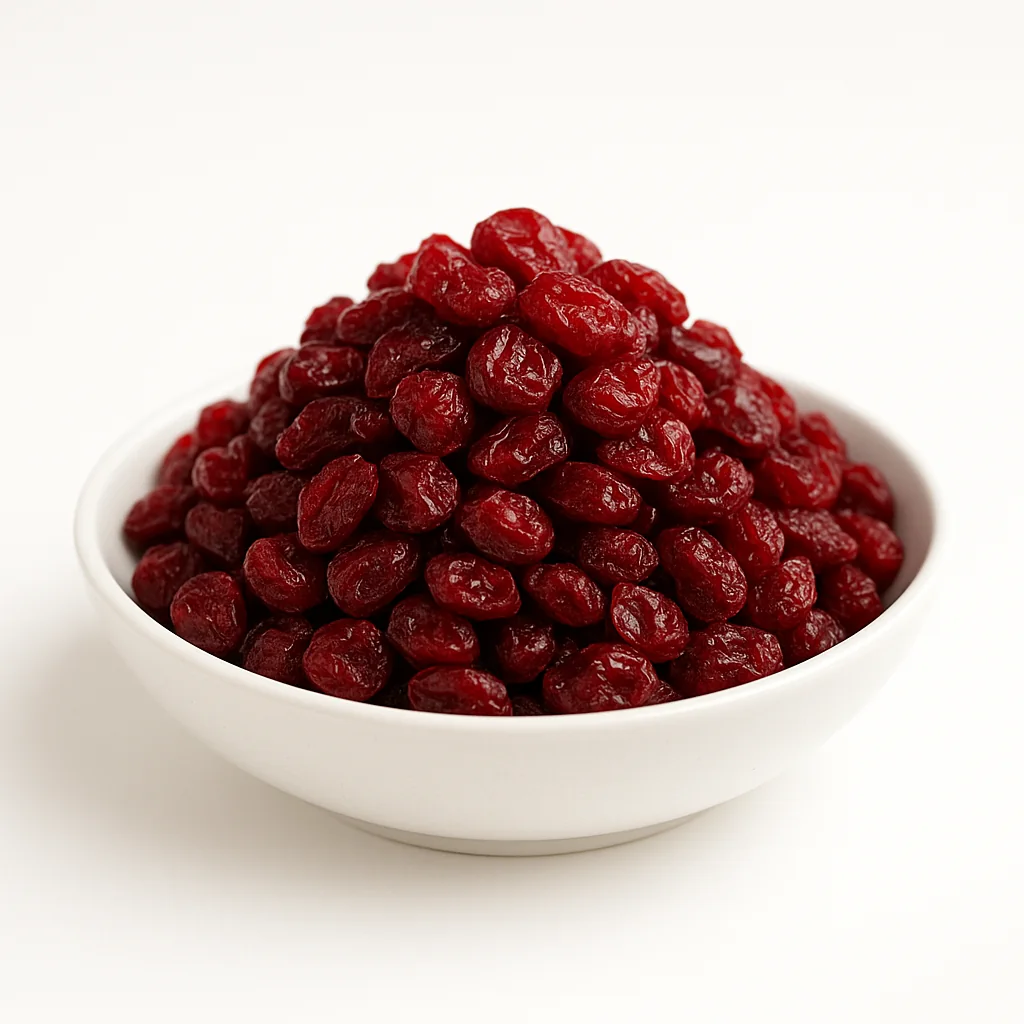
Sweetened Dried Cranberries — A Tart Balance
Cranberries are one of the best-known berries from Estonian forests, used for centuries as both food and medicine. Fresh cranberries are very tart, so dried cranberries are lightly sweetened — preserving their signature tang, which works beautifully in both savory and sweet dishes. Cranberries are a source of vitamin C and polyphenols.
Nutritional value: fiber and vitamin C; since the sweetened version contains added sugar, they’re best used as a flavor accent rather than a main snack.
How to use:
- in salads with cheese and nuts;
- in cookies, cakes, and breakfast porridges;
- as a side for meat and poultry, especially in autumn dishes;
- in creams and sauces for a tart note.
Wholesale purchase: Sweetened dried cranberries, soft
How to Use Them Every Day: Seven Simple Ideas
- Breakfast porridge. Oat or yogurt porridge + 1 tbsp seeds + a handful of dried fruit = a complete breakfast that keeps you full until lunch.
- Smoothie. Banana, berries, yogurt, and 1 tbsp chia seeds — chia gives a creamy texture. Dates sweeten without added sugar.
- Salad topping. Mix a handful of hazelnuts or walnuts, cranberries, and a drizzle of honey — it turns any salad into a meal.
- Baking. Swap some wheat flour for almond or nut flour and add 1–2 tbsp seeds to the dough: your baked goods will be more nutritious and stay soft longer.
- Sauces. Ground macadamia, almonds, or pumpkin seeds + water = a creamy plant-based sauce, no cream needed.
- Snacks. Make your own mix: pistachios, almonds, dried apricots, and coconut cubes. Portion into small containers to keep servings reasonable.
- Boost nutrition. Sprinkle seeds or chopped nuts on any dish — soup, pasta, roasted veggies. It’s the easiest way to add protein, fiber, and minerals.
| Product | Best Uses | Tip |
|---|---|---|
| Chia seeds | porridge, smoothies, gluten-free baking | let them soak for 10–15 min before use |
| Hemp seeds | salads, yogurt, sauces | store opened packs in the fridge |
| Poppy seeds | pastries, sauces | grind fresh to keep the aroma |
| Pumpkin seeds | porridge, pesto, salads | toast in a dry pan until they start to pop |
| Peanut | peanut butter, baked goods | process while warm for a smoother butter |
| Coconut cubes | muesli, curry, treats | add just before serving |
| Pistachios | snacks, desserts | shell yourself — you’ll eat more slowly |
| Macadamia | snacks, desserts, plant-based sauces | store in a cool place, the fats are delicate |
| Almonds | flour, milk, baking | blanch in hot water if you need light-colored flour |
| Hazelnut | chocolate, cookies | toast first — the flavor deepens dramatically |
| Walnut | salads, baking, sauces | keep in the fridge — omega-3s are sensitive |
| Dried apricots | porridge, rice dishes, snacks | choose a darker color — lighter ones are often treated with sulfur |
| Dates | smoothies, desserts, energy bars | remove the pit and soak before blending |
| Pomelo slices | cookies, tea, cheese boards | chop small — the flavor is intense |
| Prunes | porridge, stews, treats | soak in warm water for a softer texture |
| Cranberries | salads, baking, with meat dishes | balance tartness with honey or nuts |
How to Keep Nuts and Dried Fruit Fresh
The biggest enemies of nuts and seeds are oxygen, light, and heat — all of which speed up the rancidity of fats. Here are some practical tips:
- Airtight storage. A glass jar or vacuum-sealed packaging keeps air out. A paper bag only protects for a couple of weeks at most.
- Cool and dark. The ideal storage temperature is 10–15 °C; a kitchen cupboard above the oven is not a good spot.
- Refrigerate shelled and ground products. Shelled hemp seeds, ground almonds, and nut flours last much longer when kept in the fridge.
- Freeze large quantities. Nuts and seeds freeze well; just let them come to room temperature before use to prevent condensation.
- Check the smell. If the product smells like paint, candles, or old oil, the fats have gone rancid — and baking won’t fix it.
- Store dried fruit separately. Keep dried fruit in a separate container, as they release moisture and can make nuts go soft.
In Summary
Nuts, seeds, and dried fruit aren’t just snacks — they’re the easiest way to add protein, fiber, healthy fats, and minerals to your daily meals. The rule is simple: a handful a day, with variety and minimal processing. Switch up your choices, mix them together, and add them to foods you already eat — making your diet healthier doesn’t have to be hard, it can be the simplest change you make. All 16 products are available from Valordanto’s warehouse in both small packs and bulk quantities.
Frequently Asked Questions
How many nuts and seeds can I eat per day?
Nutrition guidelines typically recommend about 30 grams — roughly one handful — per day. This amount provides healthy fats, protein, and minerals without adding too many calories — 100 g of nuts contains 550–700 kcal. If you want more, substitute them for another source of fat or protein, rather than simply adding extra.
Why are walnuts healthy?
Walnuts are the only common nut with a significant amount of plant-based omega-3 fatty acids (about 9 g per 100 g). Omega-3s support heart, vascular, and brain health. Walnuts are also rich in polyphenols and magnesium.
Do seeds need to be ground before eating?
Hemp seeds are shelled and easily digested whole. Seeds with harder shells (like flaxseed) should be ground, as whole seeds pass through the digestive system unchanged. Chia and poppy seeds are small enough to be eaten whole.
How can I choose dried fruit without added sugar?
Check the ingredient list — it should only include fruit (or fruit and a preservative). Very shiny and pale apricots are often treated with sulfur; a darker color usually means natural drying. Dates and prunes are naturally so sweet that they don’t need any added sugar.
How do I store nuts to prevent rancidity?
Keep them in an airtight container, in a cool, dark place. Shelled seeds, ground nuts, and nut flours are best stored in the fridge or freezer. If the product smells like paint, candles, or old oil, the fats have turned rancid and it should be discarded.
Can I include nuts in my daily diet if I’m watching my weight?
Yes, as long as you control the portion size. Nuts and seeds are filling and help keep you satisfied, which can prevent later snacking. A practical tip is to add them to meals (porridge, salad, yogurt) instead of eating straight from the pack.
Wholesale Purchase
Valordanto is a wholesale supplier and direct importer of spices, nuts, seeds, and dried fruit. All 16 products are in stock in various pack sizes, suitable for retail, catering, or food manufacturing. For larger quantities, price quotes, or wholesale price lists, email info@valordanto.ee.
Browse products by category:
- Seeds: Chia seeds, Hemp seeds, Blue poppy seeds, Pumpkin seed kernels
- Nuts: Blanched roasted peanut kernels, Coconut cubes, Roasted salted pistachios USA, Macadamia nuts in shell, California almonds, Hazelnut kernels, Walnut kernels (light halves) 30%
- Dried fruit: Dried apricots, Dates, conditioned Algerian Deglet Nour, Green pomelo slices, Dried pitted prunes 80/90, Sweetened dried cranberries, soft
Detailed descriptions and usage tips can be found on each product page — including prices and packaging options.