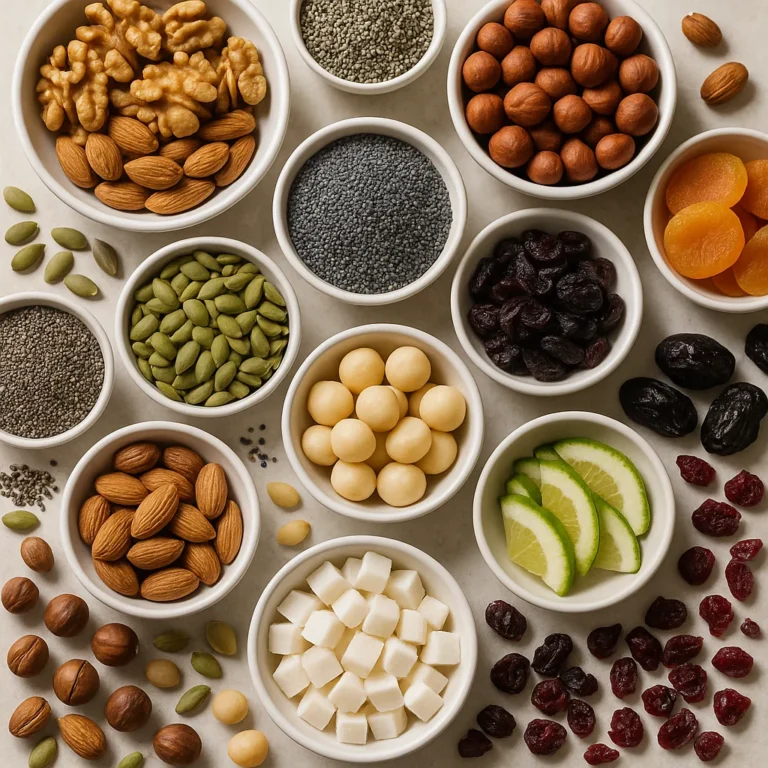
Ginkgo leaves, red quinoa and yellow sesame seeds are three different ingredients that work beautifully together at breakfast, lunch or dinner. Ginkgo leaves make a soothing herbal tea, red quinoa adds nutrition and colour, and yellow sesame seeds bring a nutty taste and a pleasant crunch. Below we look at their properties and how to use them in the kitchen.
Ginkgo leaves: herbal tea and a quiet ritual
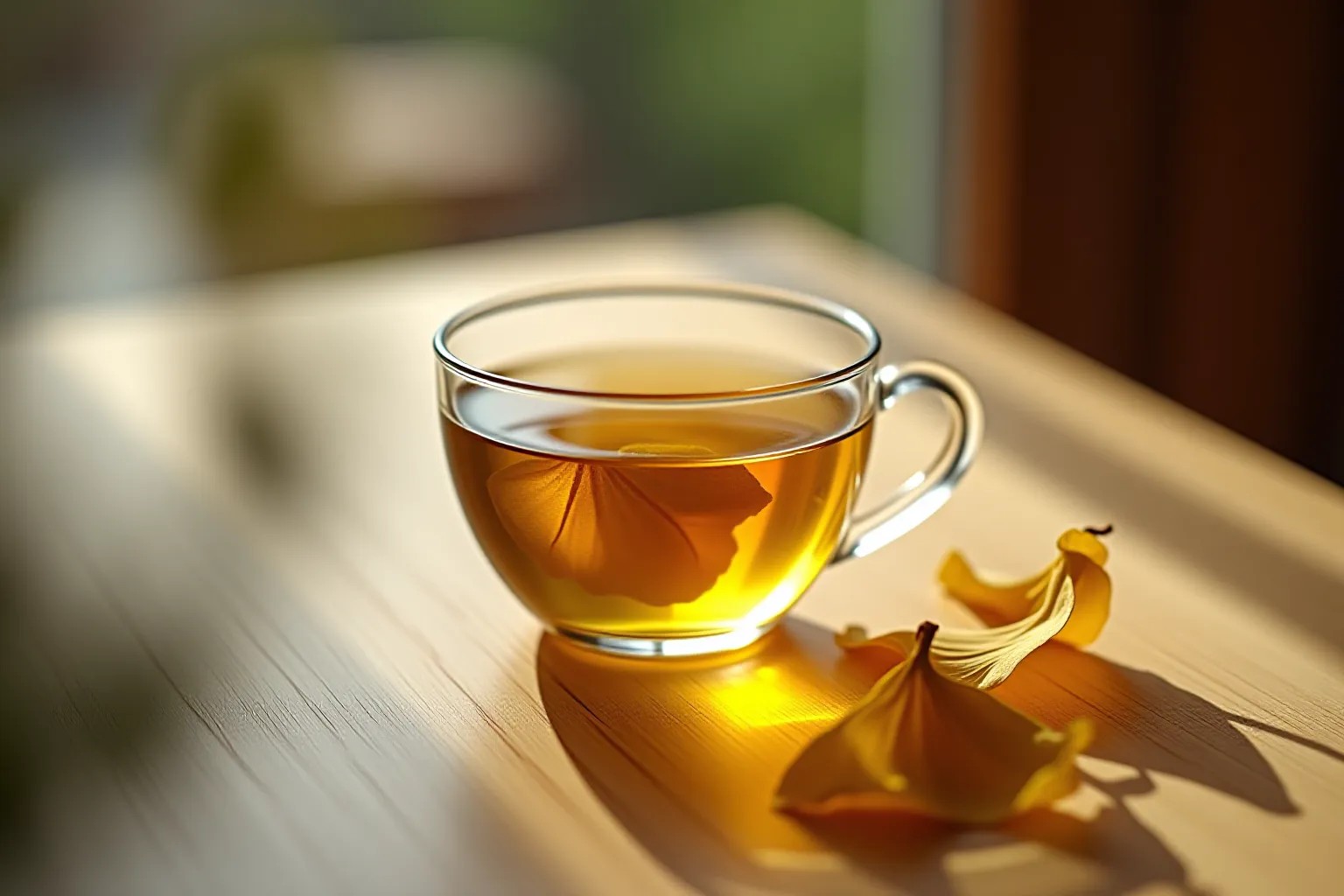
Ginkgo leaves come from the ginkgo tree, one of the oldest tree species in the world. The dried leaves have a mild, green, herbal aroma and a slightly bitter aftertaste. They are used mainly for herbal tea, often together with mint, lemon balm or lemongrass.
For one cup, add 1–2 teaspoons of dried leaves to 200–250 ml of hot water (90–95 °C) and steep for 5–7 minutes. Strain and add honey or a slice of lemon if desired. Steeping too long makes the drink bitter. In summer, the same infusion can be chilled and served over ice.
In the kitchen, ginkgo leaves can also flavour plant-based drinks and smoothies in small amounts. Use them carefully as a seasoning, as the bitter note can overpower other flavours. Ginkgo leaf is not a medicine and does not replace treatment prescribed by a doctor; pregnant and breastfeeding women, children and people taking medication should consult a doctor before use.
Red quinoa: protein and colour on the plate
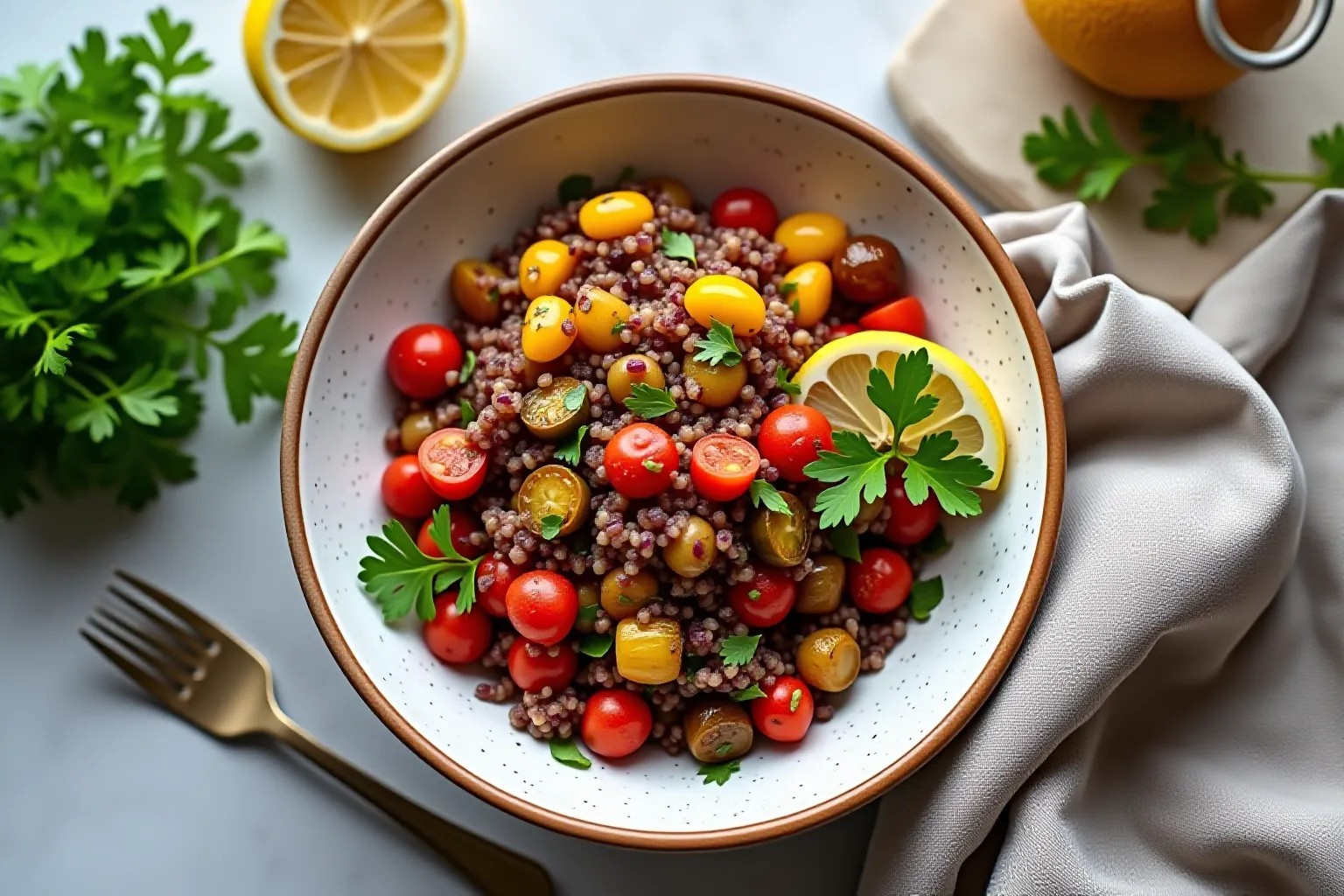
Red quinoa is a wholegrain seed from the Andes containing all essential amino acids, fibre, magnesium, iron and potassium. It is naturally gluten-free and fits easily into everyday meals. Its red colour adds contrast, and cooked grains stay separate with a pleasant bite.
Before cooking, rinse the quinoa under cold water to remove the saponin layer. Use one part quinoa to two parts water, simmer for 12–15 minutes and let it stand for 5 minutes. One cup of dry quinoa makes about three cups of cooked quinoa.
- Salad: cooked quinoa, roasted vegetables, fresh herbs and lemon oil.
- Bowl: quinoa, fried egg or tofu, avocado and a yogurt dressing.
- Soup: add quinoa to simmering soup for the last 10 minutes.
- Breakfast: warm quinoa with milk or a plant-based drink, berries and cinnamon.
Yellow sesame seeds: a small seed with big flavour
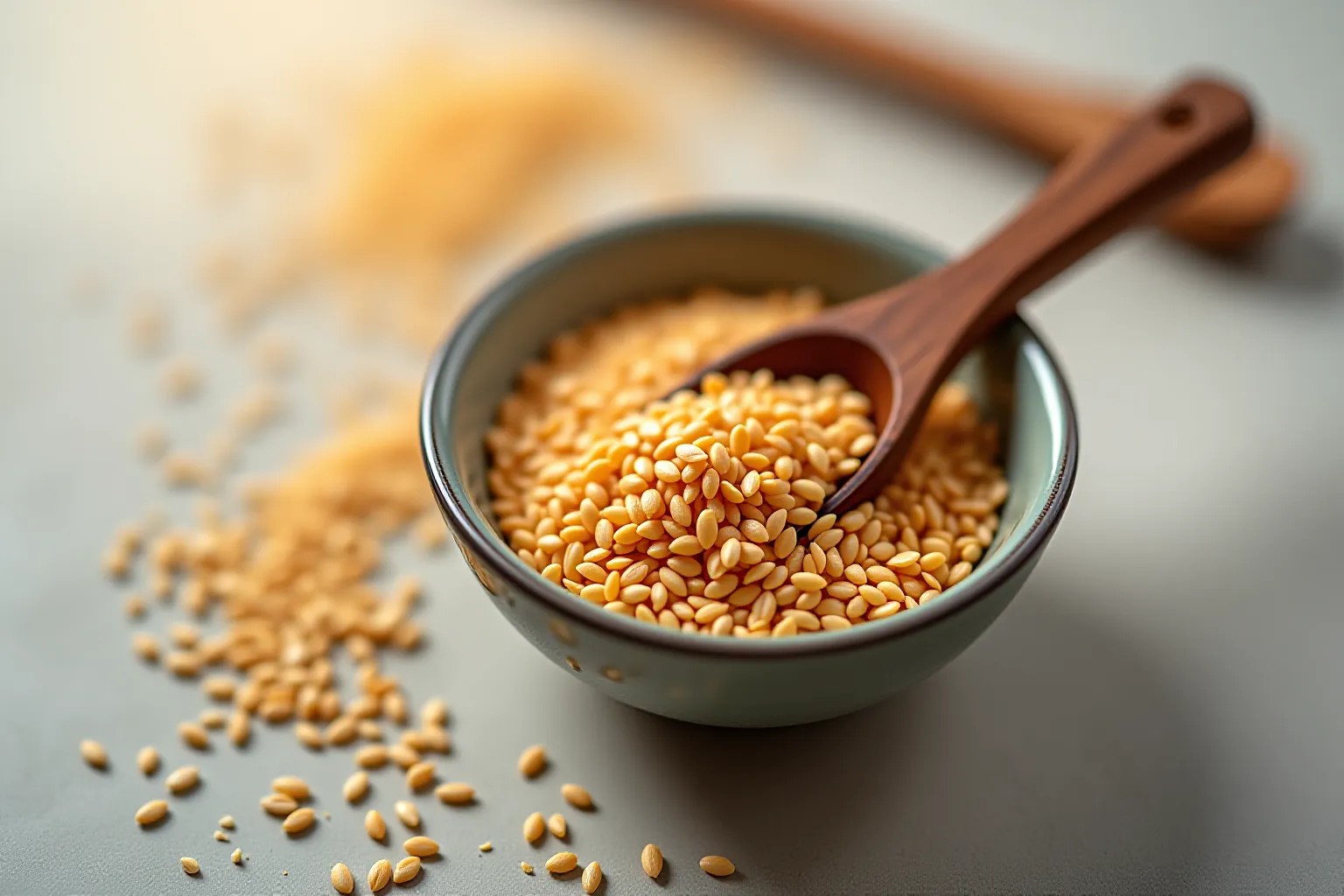
Yellow sesame seeds are unhulled wholegrain seeds with a golden colour and a strong nutty taste. They provide plant fats, protein, fibre, calcium, iron and magnesium. Sesame is a common allergen, so people sensitive to it should be careful.
Before use, toast the seeds in a dry pan for 2–3 minutes until fragrant. Toasted seeds are excellent in bread, buns, cookies, salads, stir-fries and sauces. They are also used to make tahini and hummus.
- Sprinkle toasted seeds over a salad or bowl just before serving.
- Mix them into yogurt or breakfast cereal.
- Add them to baked goods and bread before baking.
- Make tahini: grind toasted seeds with olive oil and salt.
Three ingredients, one menu
These three ingredients can be combined in many ways. Start the morning with ginkgo tea, serve a red quinoa bowl with toasted yellow sesame seeds for lunch, or mix quinoa into a salad with sesame seeds and fresh herbs.
- Morning: ginkgo leaf tea and quinoa porridge with berries.
- Lunch: red quinoa bowl with roasted vegetables and tahini dressing.
- Evening: vegetable soup topped with toasted sesame seeds.
Frequently asked questions
How much ginkgo leaf tea can I drink per day?
One to two cups of herbal tea per day is usually enough. Because ginkgo leaf may interact with medicines, consult a doctor before regular use.
Should red quinoa be rinsed before cooking?
Yes. Rinsing removes the natural saponin layer, which can leave a bitter aftertaste.
Do yellow sesame seeds need to be toasted?
It is optional, but toasting brings out a stronger nutty aroma. Toast the seeds in a dry pan for 2–3 minutes, stirring constantly.
Summary
Ginkgo leaves, red quinoa and yellow sesame seeds are versatile ingredients for everyday cooking and special occasions. All three are available in packs from 250 g to 1500 g, so you can choose the right size for your kitchen.
Take a closer look at our shop.